Expert Slide and Photo Scanning Since 2002
4000 ppi High Resolution Slide Scanning
Affordable Scanning
www.old-photo.com
www.old-photo.com
Images On Glass | Wet Plate | Dry Plate
Wet glass plates and dry glass plates were used like our present day roll films. The plates were coated with a light sensitive medium such as silver nitrate. The wet plate had to be made, on site, in a darkened area such as a large wooden box such as H. H. Bennett of Wisconsin used. Bennett would do the coating by putting just his hands inside the box and having the light sealed off with a cloth or canvas covering, working by feel alone. The picture had to be taken while the plate was still wet. The plate was placed inside the camera and then the camera's shutter was opened for a set time. This would cause a chemical reaction that would imprint the view through the camera shutter onto the glass plate. The photographer would "fix" the image on the glass by washing it in a fixer solutions. The image would be either a negative or a positive depending on the chemicals used. This glass plate could then be used to make paper prints.
Two types of processes were used: wet plate and dry plate. The wet plate process required the photographer to immerse the plate in a light sensitive solution and then immediately put the still wet plate into the camera and then expose it. The dry plate process involved having the plate coated with a light sensitive gel coating that was then dried. This plate could be stored, unexposed to light, until the picture was ready to be taken. Because of the ability to control the quality of the plates, the dry process resulted in much sharper pictures with more contrast than the wet process.
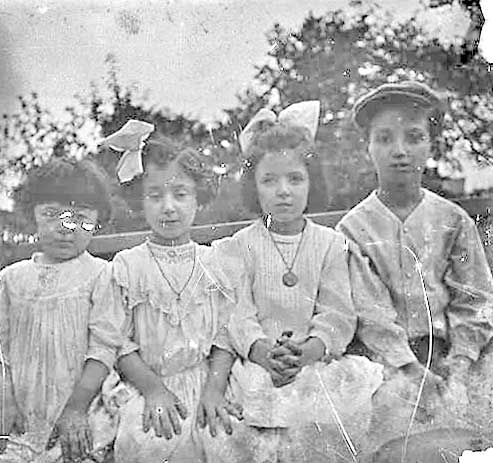
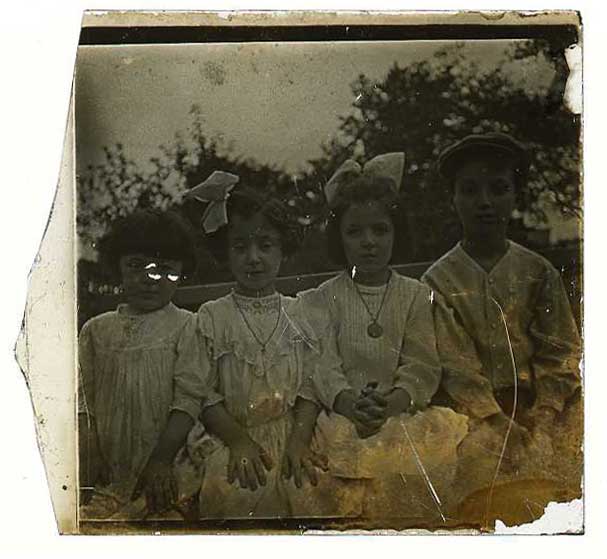
Glass Plate Positive |
|
Old Photo Scan of the Glass Plate |
 |
About Our Company
Affordable Scanning Services LLC
400 Bittersweet Lane
Waupun, WI 53963
Copyright 2023
Everyone needs to fill in and submit an order form online. This includes those who want to personally DROP OFF. There is a lot of information you need to read on the order form pages.
Please click here.
Get in Touch
After Hours, you will get a faster response by using Email. Please click the link above. We answer Email at all hours. Telephone messages are responded to during business hours.