Negative Film Scanning
We scan select negative film types and convert them to true-color positives—with expert Photoshop work included. Use the guide below to see what we scan, what we don’t, and how negatives become beautiful final images.
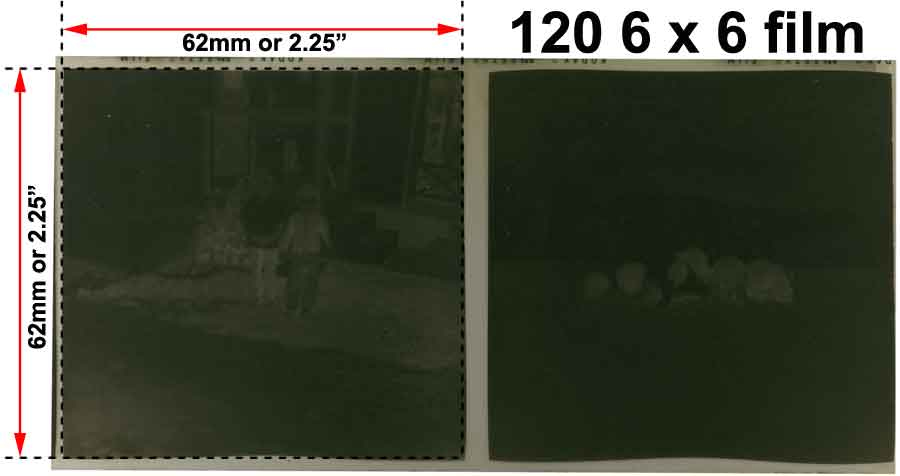
NO — 120/Medium Format Negatives
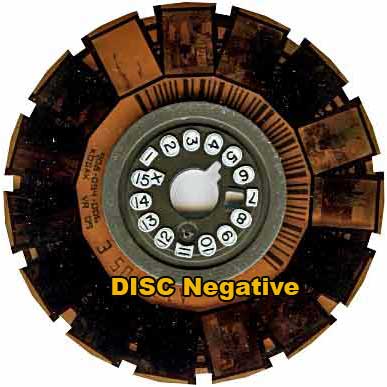
YES — Disc Camera Negative Reels
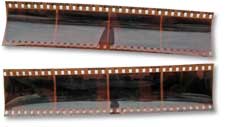
NO — Certain Other Negative Types
How Negative Film Works
When a camera exposes negative film, light passes through the lens aperture and creates a reversed image on the film. With black-and-white film, light areas in the scene become dark on the negative, and dark areas become light. With color negative film, hues are inverted as well. During printing—or when we scan and digitally process your film—those values are reversed back to the correct, positive image.
Our workflow includes careful color reversal and premium Photoshop adjustments on every scan to bring your images closer to what they looked like when they were taken. We also scan glass plate negatives and positives.
Color Negative vs. Reversal (Slide) Film
Color-negative films produce color negatives, which are traditionally printed onto photographic paper. Color-reversal films (slides) produce transparent positives that look like the original scene and are often mounted for projection. Both can be digitized, but they require different handling and settings to achieve accurate, natural-looking results.