Expert Slide and Photo Scanning Since 2002
4000 ppi High Resolution Slide Scanning
Affordable Scanning
www.old-photo.com
www.old-photo.com
Faded Slide Restoration Examples, Page 2
Previous Next
Back to Faded Photos Page
Click images to view larger versions. Before Photo Restoration |
|
After Photo Restoration |
|
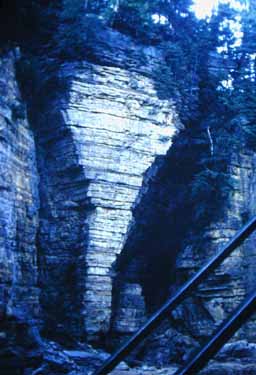
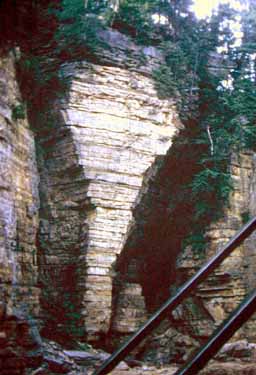
Another cause of 35mm slide fading might be that the company that developed your slides might have used inferior or contaminated chemicals or might have omitted the addition of the proper stabilizer bath to the process. Light fading, caused by exposure to high intensity light, will cause a loss of density in highlights of your films. Darker parts of your film may appear to be virtually untouched while the highlights of the film may become virtually wiped away.
Kodachrome film has the best resistance to the yellowish stains that other films will develop but it also has the worst fading, of any other slide, caused by projectors.
Dark fading and staining usually produces a yellow/orange cast while light fading usually produces a blue/green cast as well as over-all lightening of the image.
Almost all color transparency films use a multilayer subtractive CMY color construction.
The RGB Color system. The Additive Method.
The RGB color system is usually used to create color on your computer display as well as other electronic devices such as television sets. A monitor or television screen "mixes" a color by illuminating tiny dots of red, green and blue phosphors with an electron gun located at the back of the monitor. By illuminating each of the dots to a different brightness, the monitor creates different colors.
The primary additive colors are Red, Green and Blue.
Additive colors get lighter when mixed. As each component of light is mixed in, the combination becomes a new color.
When you mix all three together in balanced amounts, you get white. By mixing together various amounts of red, green and blue light, you can make almost any color.
The RGB color system will produce noticeably brighter and more intense colors than the CMYK color system.
About Our Company
Affordable Scanning Services LLC
400 Bittersweet Lane
Waupun, WI 53963
Copyright 2023
Everyone needs to fill in and submit an order form online. This includes those who want to personally DROP OFF. There is a lot of information you need to read on the order form pages.
Please click here.
Get in Touch
After Hours, you will get a faster response by using Email. Please click the link above. We answer Email at all hours. Telephone messages are responded to during business hours.