Film Formats and Sizes
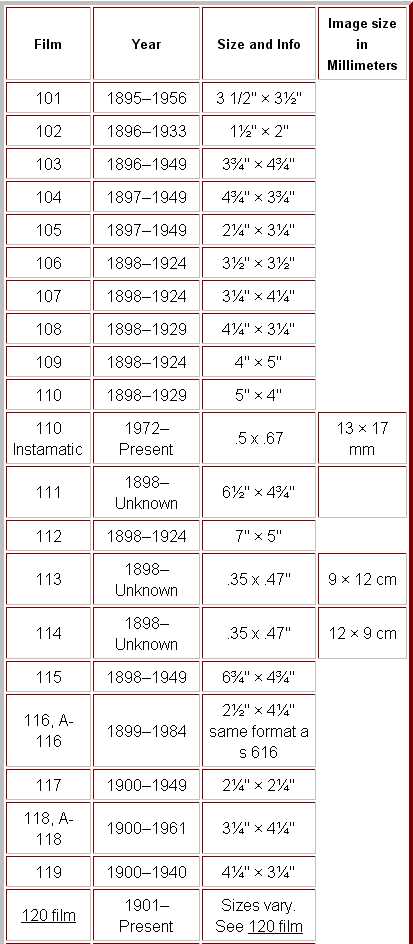
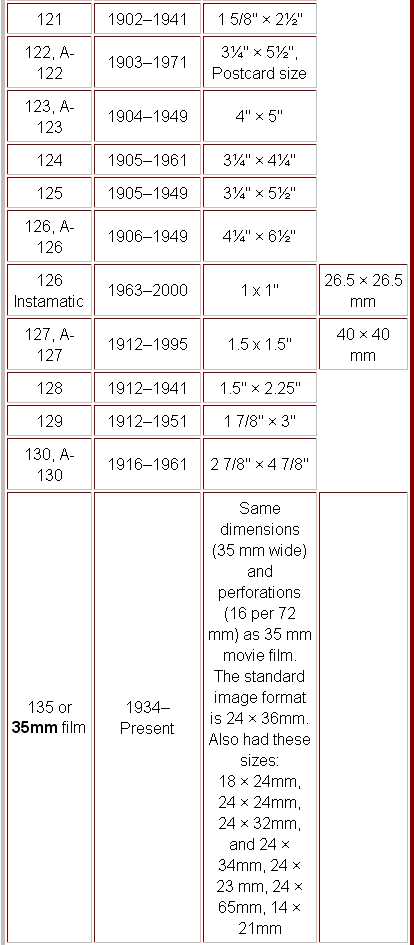
A quick reference for common film frame dimensions and millimeter↔inch conversions—useful when planning slide/photo scanning, choosing print sizes, or estimating final pixel dimensions.
A millimeter is a unit of length equal to one thousandth of a meter, or 0.0394 inch.
Length can be measured in many ways: feet, inches, miles, spans, cubits, hands, furlongs, palms, rods, chains, leagues and more. By far, the metric system is the easiest method of measurement—no half-inches, sixteenths, or sixty-fourths—just simple base-10 units.
The metric system was developed during the French Revolution and was championed in the United States by Thomas Jefferson. Its use was legalized in the U.S. in 1866. Proposed legislation requiring exclusive U.S. Government use of the metric system was defeated by a single vote in 1902. Today the U.S. remains one of the few nations that does not use metrics broadly—even though many products are sold with metric sizing.
Because we see both systems here, conversions matter. For example, liquid and dry measurements both use quarts and pints; there’s an ounce for weight and an ounce for liquid capacity; and there are different weight systems (avoirdupois, troy, apothecaries). When you’re planning scanning or prints, clear metric↔inch reference helps prevent costly re-prints.
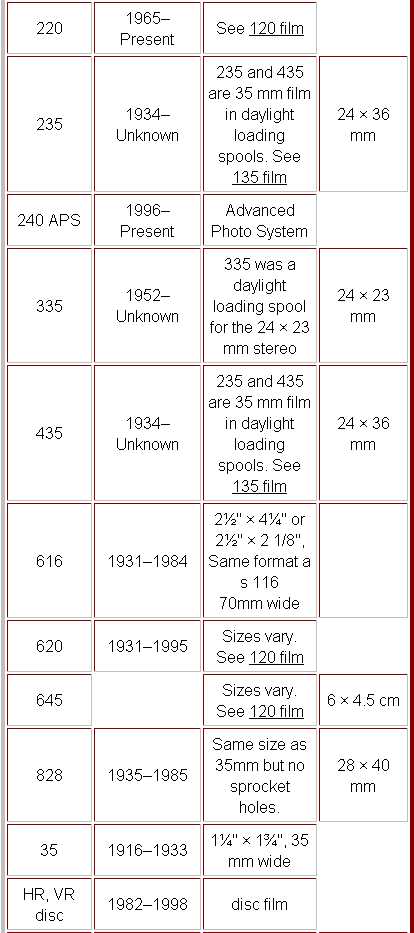

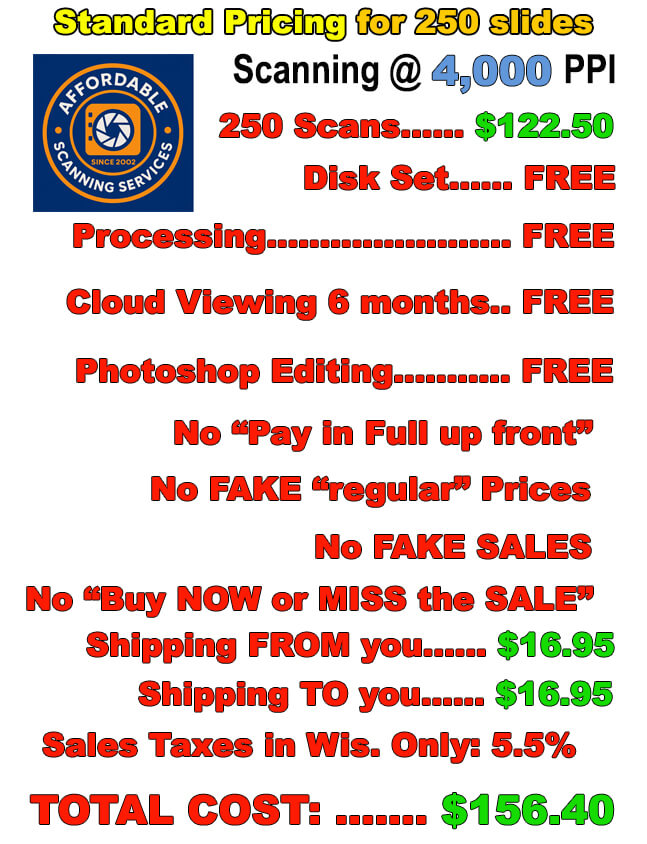
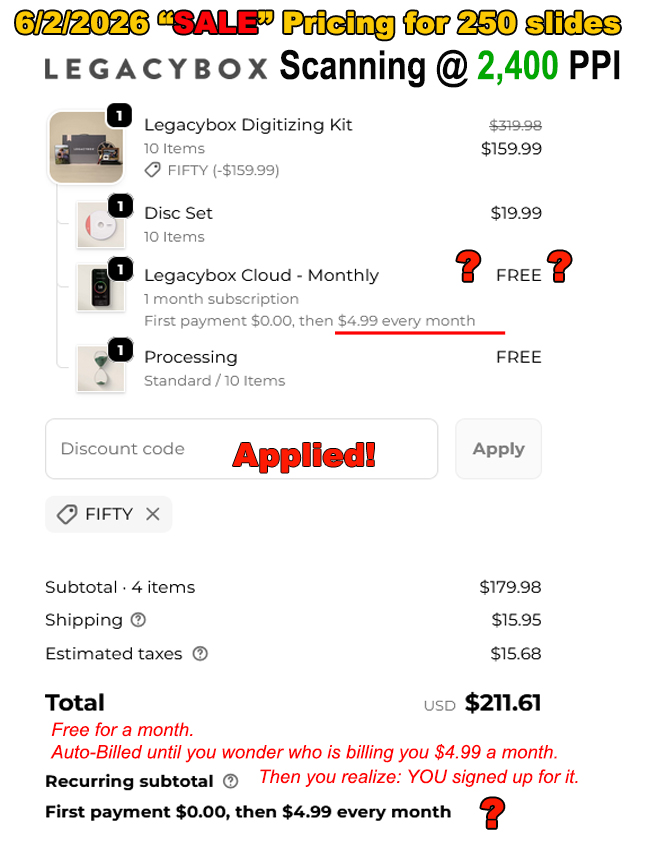
Ready to digitize slides, negatives, or photos? Our high-resolution scans make sizing and printing easy.
Start Your Order