Images on Glass — Wet Plate & Dry Plate
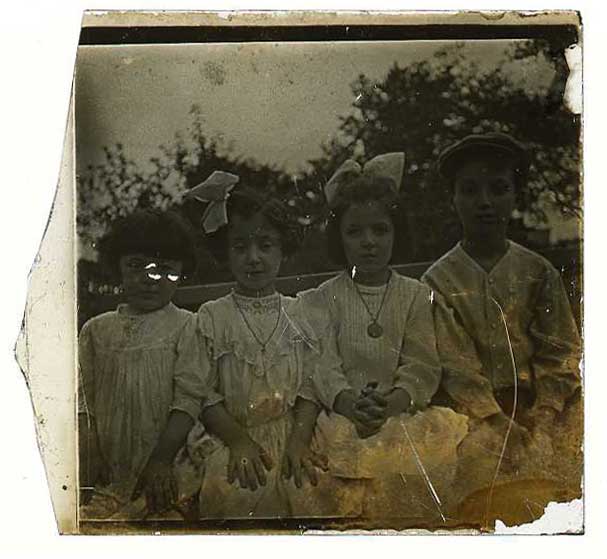
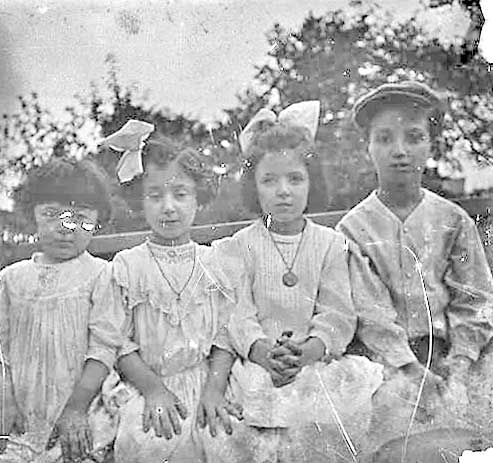
Wet glass plates and dry glass plates were the “film” of their era. We scan these fragile plates with care so you can preserve, view, and print the images in modern formats.
What are wet and dry plates?
Photographers coated glass plates with a light-sensitive medium. In the wet plate process, the plate was coated and exposed while still wet inside a light-tight box, then immediately fixed. In the dry plate process, the coating was dried so plates could be stored and used later. Dry plates generally produced sharper images with more contrast.
After exposure, the plate held either a negative or a positive image depending on chemistry. From these plates, photographers could make paper prints—exactly the history we help preserve today by digitizing your originals.
Ready to preserve your glass plates?
We scan wet and dry plates with premium handling and color/contrast optimization. For pricing and packing guidance, start here: Order Forms.